
Phone number
Email address
Address location
Alaska’s pipeline industry operates under conditions found nowhere else in the United States. From the frozen tundra of the North Slope to the rugged terrain of the Interior, pipeline construction and maintenance in Alaska demands estimating expertise that fully accounts for permafrost challenges, extreme cold-weather work conditions, remote logistics, AKLNG project requirements, and strict environmental compliance with the Alaska Department of Environmental Conservation (ADEC) and Bureau of Land Management (BLM) regulations.
At Alaska Estimation, we provide professional pipeline estimating services tailored to Alaska’s unique environment. Whether you are bidding on a new crude oil transmission line near Prudhoe Bay, planning a natural gas distribution network in Fairbanks, or estimating a fuel supply pipeline for a remote mining or military installation, our certified cost estimators deliver detailed, bankable estimates that help you win bids and control project costs.
Our pipeline cost estimating services cover all phases — from preliminary feasibility studies and conceptual budgets to full detailed bid estimates with material takeoffs, labor productivity adjustments for Arctic conditions, equipment mobilization, and logistics cost buildup. We serve contractors, subcontractors, engineering firms, tribal corporations, and project owners across Anchorage, Fairbanks, Juneau, Kenai Peninsula, Valdez, Kodiak, Nome, and all of rural Alaska.
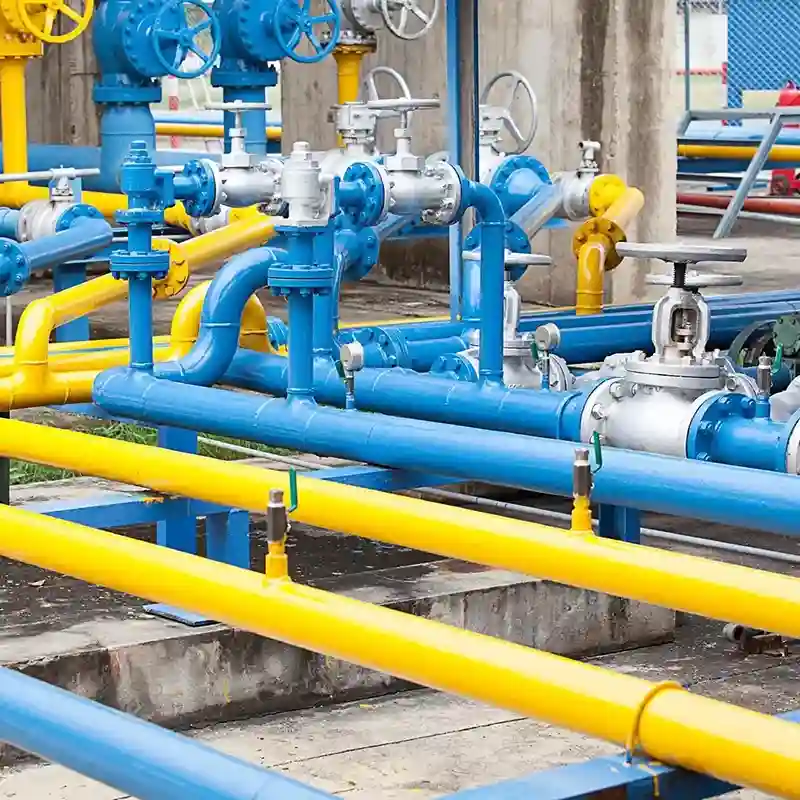
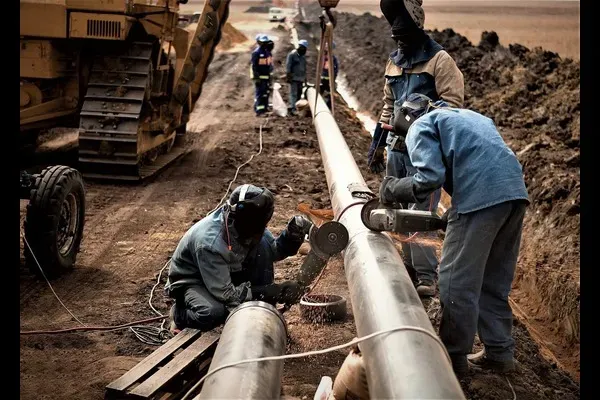
We perform precise quantity takeoffs for all pipeline components including line pipe (steel, HDPE, CPVC), fittings, flanges, valves, cathodic protection systems, insulation jacketing for Arctic lines, pipe supports, and above-ground pipeline (AGP) components. Our takeoffs account for Alaska-specific design factors including freeze-thaw movement, pipe burial depth in permafrost zones, and heat trace system requirements.
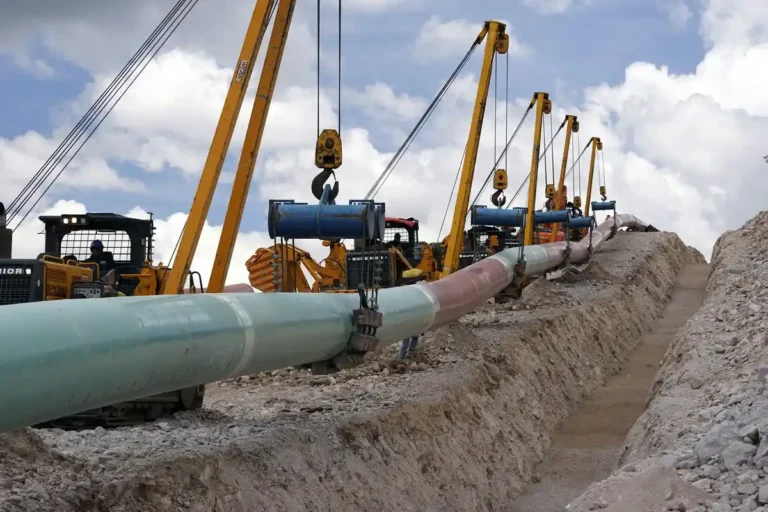
Our detailed pipeline construction estimates include direct costs (materials, labor, equipment) and indirect costs (mobilization to remote Alaskan sites, fly-in camp costs, small tools, consumables). We apply Alaska-specific labor productivity factors for sub-zero temperatures, daylight-limited winter months, and remote bush locations accessible only by air or ice road.
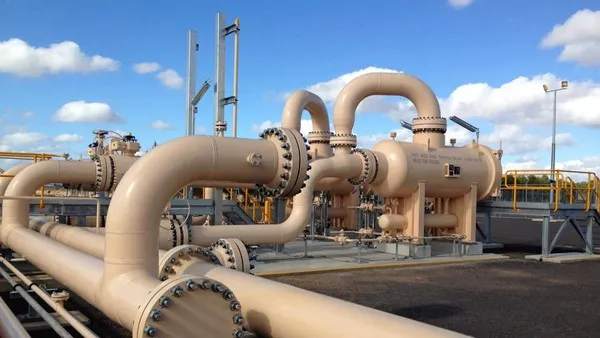
We specialize in upstream, midstream, and downstream pipeline estimates for Alaska’s oil and gas industry — crude oil gathering lines, gas transmission pipelines, NGL pipelines, gas lift lines, water injection pipelines, and produced water disposal lines. We are familiar with Trans-Alaska Pipeline System (TAPS) corridor project requirements and North Slope Borough construction standards.
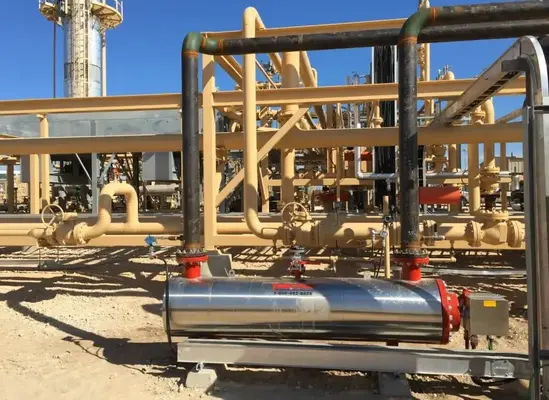
Heating fuel pipelines are critical infrastructure across Alaska. We estimate community heating systems, bulk fuel tank farm piping, diesel distribution networks, and aviation fuel pipeline systems for remote villages, military installations (JBER, Eielson AFB), airports, and industrial facilities throughout rural Alaska — including communities served by the Alaska Village Electric Cooperative (AVEC).
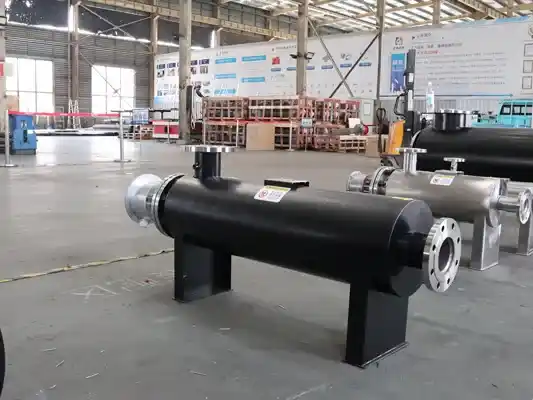
Alaska rivers, wetlands, and permafrost often require trenchless installation methods. We estimate Horizontal Directional Drilling (HDD), auger boring, pipe jacking, and microtunneling for road crossings, river crossings, and environmentally sensitive areas. Our estimates account for specialized equipment, tooling costs, and extended mobilization periods for Alaska trenchless work.
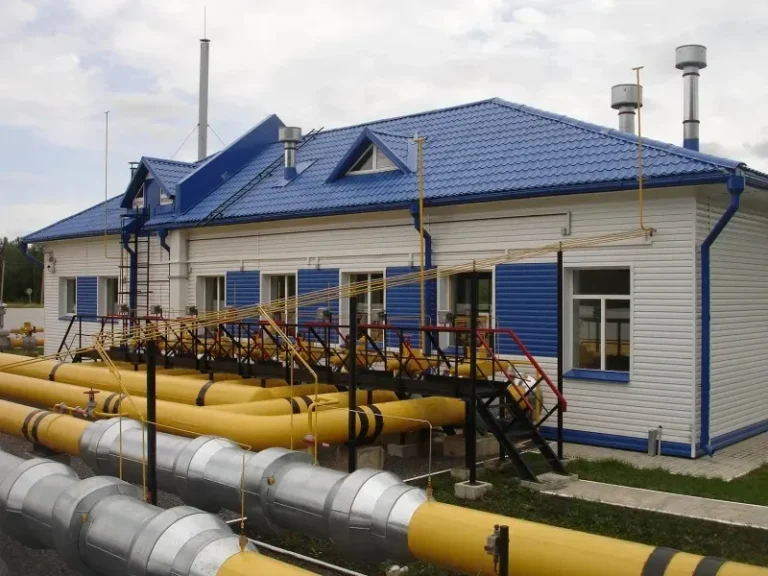
We estimate pipeline inspection programs, integrity management projects, corrosion remediation, cathodic protection upgrades, pipeline coating replacement, and hydrostatic testing. Our maintenance estimates help operators budget for PHMSA compliance programs and ADEC-required spill prevention and response planning across Alaska’s pipeline networks.
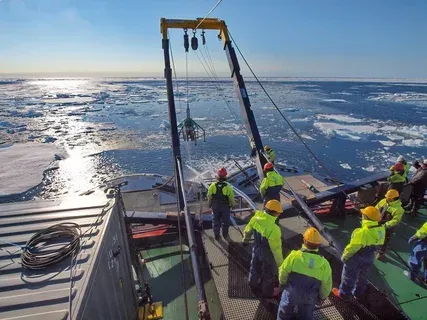
Permafrost is one of Alaska’s greatest pipeline construction challenges. Our estimators understand elevated pipeline systems on pile foundations, heat pipe (thermosyphon) systems, insulated buried pipelines with freeze-protection, and special geotechnical investigation costs — all of which significantly impact budgets on the North Slope and Interior Alaska.

Before committing to design, Alaska contractors and operators need reliable preliminary estimates. We prepare Class 5 through Class 3 AACE estimates for early pipeline project planning, helping you determine project viability, secure financing, apply for DOTPF permits, and approach investors — all with Alaskan cost benchmarks built in.
Generic estimating databases built for the Lower 48 simply do not reflect the real cost of building pipelines in Alaska. We use region-specific material pricing from Anchorage and Fairbanks industrial suppliers, Alaska prevailing wage rates (when applicable under the Davis-Bacon Act for federally funded projects), and our own proprietary Alaska labor productivity database developed from years of in-state project experience.
Our team continuously monitors pricing from Alaska industrial distributors, pipeline coating suppliers, and steel pipe manufacturers shipping through Alaska ports. We account for the Alaska factor — the added freight costs, longer lead times, and local market premiums that dramatically increase material costs compared to continental US benchmarks

Gathering systems, crude oil trunk lines, water flood pipelines, gas lift pipelines, and heat-traced flow lines for production facilities on Alaska’s North Slope, including Prudhoe Bay, Alpine, Kuparuk, and Point Thomson development areas.
Intrastate gas transmission and local distribution pipelines, including Enstar Natural Gas service area expansions in the Mat-Su Valley and Kenai Peninsula, and proposed interior Alaska gas distribution projects in Fairbanks and Delta Junction.
Fuel supply and distribution pipelines for JBER, Eielson Air Force Base, Clear Space Force Station, and other federal installations in Alaska — often requiring certified cost estimates meeting DoD or Army Corps of Engineers standards.
Bulk fuel piping systems serving remote Alaska communities, schools, clinics, power plants, and water treatment facilities — critical infrastructure often funded through Denali Commission grants, USDA Rural Development programs, or Indian Health Service (IHS) funding.
You can get estimates for the remote site healthcare facilities, including the medical stations, emergency response buildings, clinics, first aid centers, and accessibility paths to the physicians.
Water transmission mains, force mains, and sewer trunk lines for Alaskan municipalities — including utilidor systems, insulated above-ground pipelines, and heat-traced water mains required in communities from Utqiagvik (Barrow) to Sitka.
Alaska Estimation partners with a broad range of pipeline industry stakeholders across the state:
Whether you are a Tier 1 TAPS-affiliated contractor or a small Alaska-owned business bidding on your first pipeline contract, our estimating team scales services to meet your project size and budget.
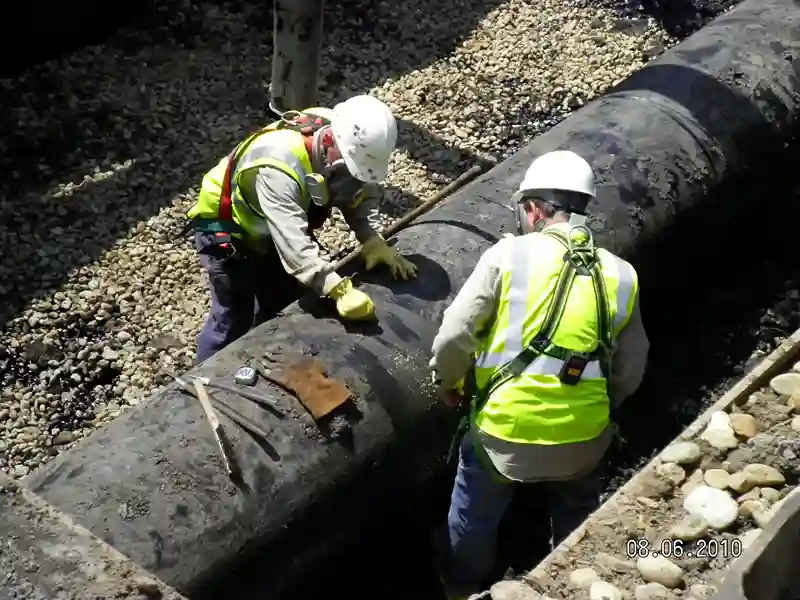
Our estimators have direct experience with Alaska pipeline costs not estimates adjusted from Seattle or Houston price books. We understand what pipeline work actually costs in Alaska.
We maintain current freight rate data for Alaska barge, rail, Dalton Highway, and air cargo cost categories that regularly cause Alaska pipeline budget overruns when underestimated.
Alaska pipeline bid deadlines wait for no one. We deliver accurate estimates typically in 3 to 7 business days, with rush service available for urgent submissions.
We include permitting costs in our estimates — ADEC plan approvals, BLM ROW grants, Army Corps Section 404/10 permits, and State DNR easements — costs often missed by out-of-state estimators.
Underbidding an Alaska pipeline project is not just a business loss remote mobilization costs make cost overruns catastrophic. Our detailed estimates protect your margins and reputation.
We deliver estimates in Excel, PDF, or your preferred format matching DOTPF bid schedule formats, Army Corps IGCE structures, or client-specific templates.
Yes. We serve the entire state of Alaska, including remote projects on the North Slope, Interior Alaska, Southwest Alaska, Southeast Alaska, and the Aleutian Islands. Remote location is our specialty, not a limitation. We have estimated pipelines in communities accessible only by air or seasonal ice road.
Absolutely. We estimate HDD for river crossings, road crossings, and sensitive environmental areas throughout Alaska — including Army Corps-regulated waterways, TAPS ROW corridor crossings, and challenging cobble or permafrost soil conditions unique to Alaska HDD work. |
Yes. We apply current Alaska prevailing wage rates (Davis-Bacon for applicable federal projects), union labor rates for UA Local 375 and other Alaskan pipeline labor unions, and Alaska-specific productivity adjustment factors for cold-weather, short-daylight, and remote site work conditions.
Most pipeline estimates are completed within 3 to 7 business days depending on project scope and complexity. Rush turnaround in 24 to 48 hours is available for urgent bid deadlines. Contact us to discuss your specific schedule requirements. |
Yes. We have extensive experience estimating bulk fuel storage and distribution pipeline systems for Alaska rural communities, including projects funded through Denali Commission, Indian Health Service (IHS), and USDA Rural Development grant programs. We also understand the unique reporting requirements of each funding stream. |
Yes. We produce estimates formatted to Alaska DOT&PF bid schedule requirements and Army Corps of Engineers independent government cost estimate (IGCE) standards when required for federally funded projects. We are experienced with both formats. |
We estimate all pipeline material types used in Alaska, including carbon steel (API 5L), high-density polyethylene (HDPE), CPVC, fiberglass reinforced pipe (FRP), stainless steel, and insulated piping systems. We also estimate cathodic protection systems, heat trace, and above-ground pipeline (AGP) assemblies specifically designed for Arctic conditions.
Yes. We provide AACE Class 5 through Class 3 conceptual and preliminary estimates for pipeline projects at any stage of development — from initial feasibility through pre-FEED. These estimates are regularly used for Denali Commission grant applications, IHS project justifications, legislative budget requests, and private equity financing.
Yes — and this is one of our core strengths. We specifically understand North Slope cost drivers: gravel road access, ice road hauling seasons, heated work enclosures, thermosyphon pile systems, North Slope Borough requirements, and the extreme logistical costs of mobilizing to Prudhoe Bay or remote North Slope pads. We also estimate pipeline projects in remote Bush Alaska communities reachable only by small aircraft or barge.
Yes. If your in-house team has prepared a pipeline estimate and you want an independent review before submitting a bid, we offer estimate audit and bid checking services. We compare your estimate against Alaska market pricing, flag cost omissions common in Alaska pipeline work, and provide a written review report. This service is particularly valuable before submitting large or complex pipeline bids.
We can begin with as little as a project description, location, pipe size and length, and preliminary drawings or route maps. The more detail you provide — including geotechnical reports, permit requirements, design drawings, and specifications — the more accurate your estimate will be. Contact us and we will tell you exactly what we need for your specific project scope.
Yes. Our Class 2 and Class 3 detailed estimates are formatted to support project financing applications, surety bond underwriting, owner budget approvals, and lender due diligence reviews. We can provide signed estimate letters and supporting documentation upon request.